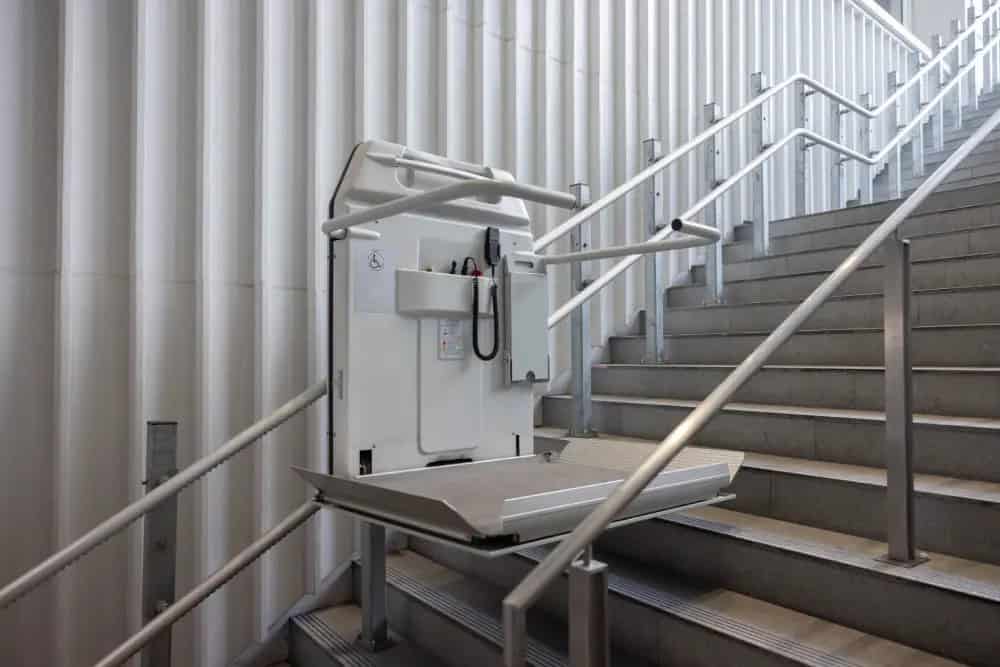
Every building owner faces a clear duty when adding accessibility features. Public spaces must welcome everyone, and that means installing proper equipment. But simply placing a unit in a building is not enough. There are strict rules that guide each step of the process. These rules protect users from harm and guarantee reliable operation every single day.
This discussion covers the essential safety standards for any wheelchair lift installation.
Structural strength comes first
The base of any unit must hold significant weight without shifting. Engineers calculate the maximum load capacity, including the user and the chair itself. The platform needs to withstand daily use without bending or cracking. Building codes require a solid foundation that supports the full operating weight. Installers check floor conditions and anchoring points before proceeding. Weak surfaces can cause instability and dangerous situations during operation. Regular inspections confirm the structural integrity remains intact over many years.
Electrical systems demand strict rules
Wiring and power connections follow specific electrical codes to prevent shocks or fires. All cables must be properly insulated and protected from physical damage. Ground fault protection is necessary to cut power if a problem occurs. The control panel should have emergency stop buttons that work instantly. Battery backup systems require proper ventilation and secure mounting. Voltage levels must remain stable to avoid sudden movements. Licensed electricians handle these connections to meet legal requirements.
Safety devices are required on every unit
Multiple sensors and switches act as guardians during normal use. Obstruction detectors stop the platform if anything blocks its path. Pressure sensors prevent movement when weight limits are exceeded. Handrails and gates must close securely before the unit operates. Interlock systems ensure doors stay shut during travel. Emergency lowering mechanisms allow manual descent if power fails. These features work together to create a protective environment for every user.
Regular testing confirms proper function
Scheduled examinations catch small issues before they become serious problems. Load tests verify the unit can handle rated capacities without strain. Speed checks ensure movements remain slow and controlled. All safety switches get tested to confirm they trigger correctly. Emergency systems undergo drills to prove their reliability. Documentation of each test creates a maintenance record for inspectors. Routine care keeps the equipment in excellent working condition.